Homeless Youth In Crisis: Kids Without Keys
When pandemic-era protections expired and rents across the tri-state skyrocketed, New York was pushed into levels of homelessness reminiscent of the Great Depression. Despite landmark promises to cut child poverty, a yearlong Turn To Tara investigation found that those commitments are falling short as families struggle to stay afloat.
More Stories


More than 350,000 people are without homes in New York City - and more than one out of three of them is a child.
Youth homelessness in New York City has surged faster than anywhere else in the United States, reaching levels not seen in nearly a century.
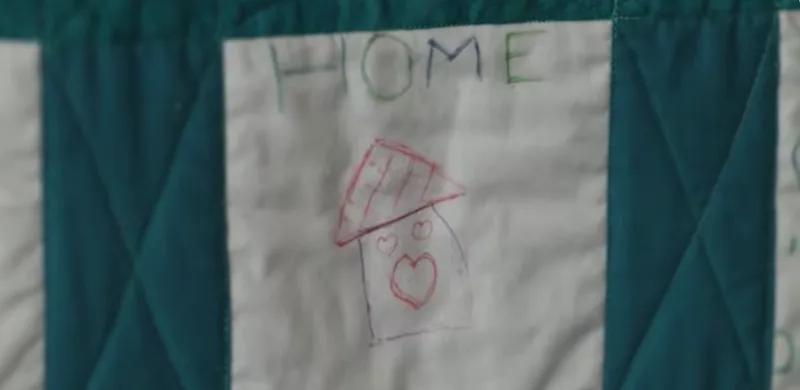
When COVID-19 pandemic-era protections expired and rents across the tri-state skyrocketed, New York was pushed into levels of homelessness reminiscent of the Great Depression. Despite landmark promises to cut child poverty, a yearlong Turn To Tara investigation found that those commitments are falling short as families struggle to stay afloat.
The Turn To Tara team headed to the Bronx, which is on the front lines of the crisis where more than a third of the children there live in poverty - the highest rate in New York state - and nearly one in five students are currently unhoused.
News 12 senior reporter Tara Rosenblum got rare inside access to a shelter run by Women in Need (WIN), the largest provider for homeless families in New York City, to see what life is like for the 32,000 children who call these shelters home.
Inside the Ruby Dee shelter, the team met Ayeska Falu, a 24-year-old mother of two. She was attending a magic show designed to give children a brief moment to play.
Ayeska experienced homelessness first as a teenager and now as a mother.
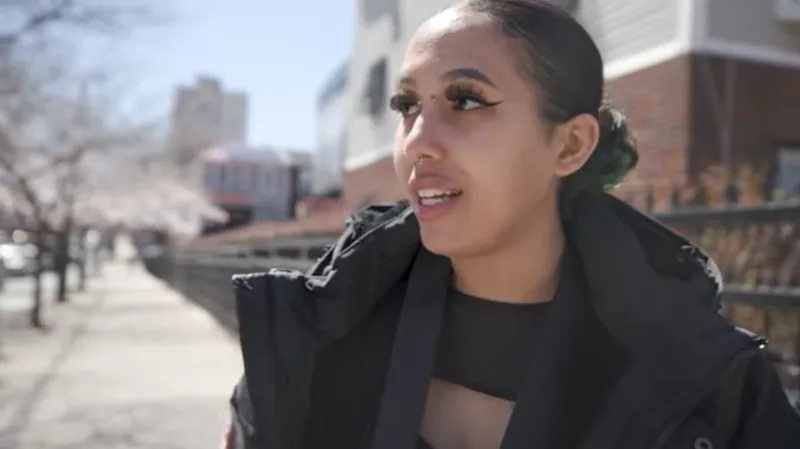
"We took an abandoned apartment, and the moment that we realized that the locks were changed was the moment that we...really had to go into a shelter," she says. "But we're here. I really try for my kids, so they can have what they need. They deserve more than I have right now. "
Like most families at the shelter, Ayeska is caught in a system where work still isn't enough to afford a stable place to live.
"I try my best to be bright for the children, bright for myself, but it's not enough. It's hard," she says.
System Under Strain
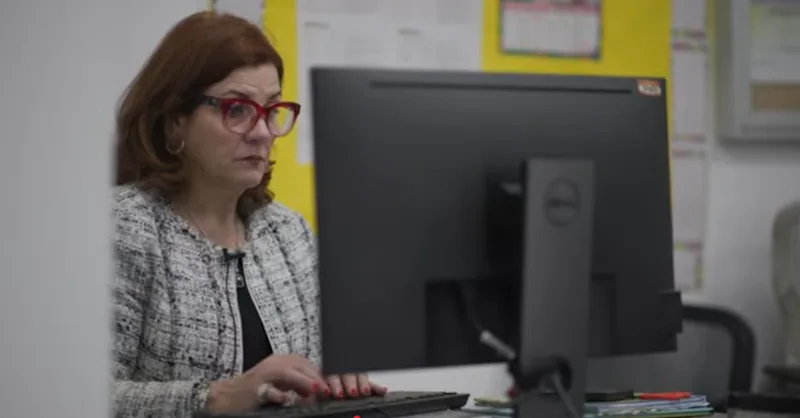
"I think if anybody knew that there were more children who were unhoused in the public schools than the entire Dallas school district, they would be outraged," says Christine Quinn, former New York City Council speaker and current CEO of Women in Need, which she says houses about 7,000 people a night, about half of whom are children.
Quinn notes that demand for youth shelter beds is rapidly outpacing supply due to the following factors:
New York City becoming more expensive
Rents continue to rise across the city at an enormous rate
The COVID-19 crisis, following an influx of migrants, "which the city handled very, very poorly"
Instability Follows Students to School
For children without a home, the instability doesn't end at the shelter doors - it follows them directly into the classroom.
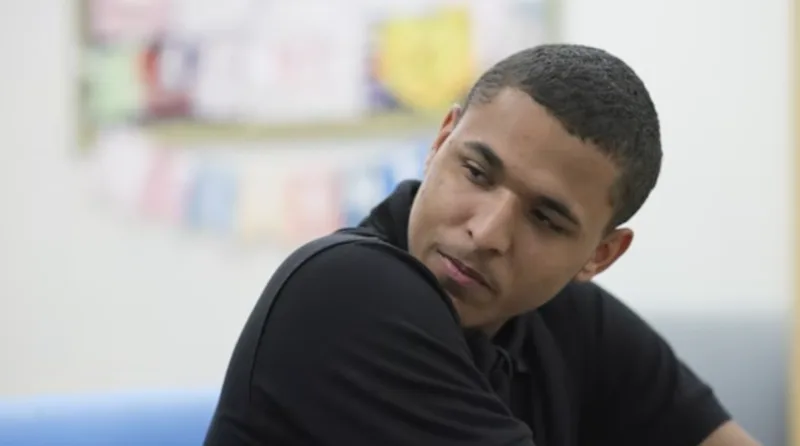
For Gregory Rodriguez, the hardest part was being forced to leave his home in Brooklyn at age 15 after rising costs in an asbestos-plagued building forced his family out.
"You don't want to get connected to people that you meet out here, because now if you move somewhere else, you're going to be leaving everybody else," Rodriguez said.
The academic odds are stacked against students like Rodriguez living in shelters.
Data shows that just 27% of them in grades three through eight are proficient in reading and math.
Despite the disruption, Rodriguez says he is working to beat those odds and finish his education.
The Suburban Crisis: Spiking Outside the City
Youth homelessness isn't confined to New York City.
Across suburban communities - from Westchester to New Jersey and Long Island - the numbers are climbing.
On Long Island, home to some of the wealthiest ZIP codes in the nation, youth homelessness is spiking at levels unseen in decades.
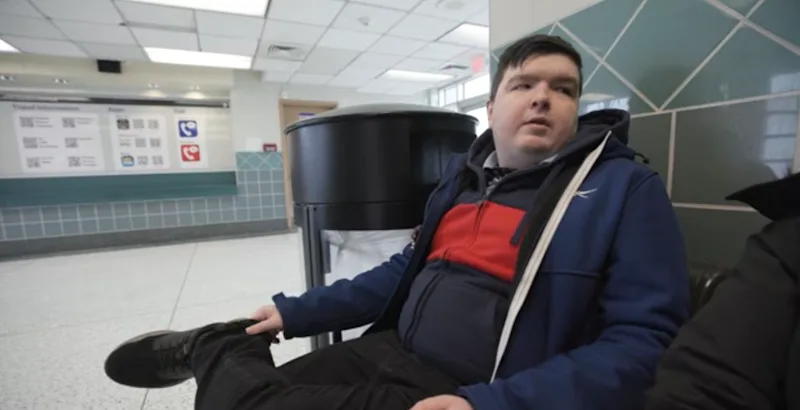
Outside a Taco Bell at Seaford, Tara Rosenblum spoke to Manuel Miras Dehoy, who described his story of being homeless.
The New Jersey native was working more than 50 hours a week at Taco Bell, but still couldn't keep up with rising rents on Long Island.
Out of options, he spent nights sleeping at the nearby train station and washing his hair in public restrooms.
He is now off the streets and living in transitional housing with Hope For Youth, but he has concerns for teens currently homeless.
"I just feel like it's getting more and more common, and I feel like no one is talking about it," he says.
Highest Numbers Since 2007
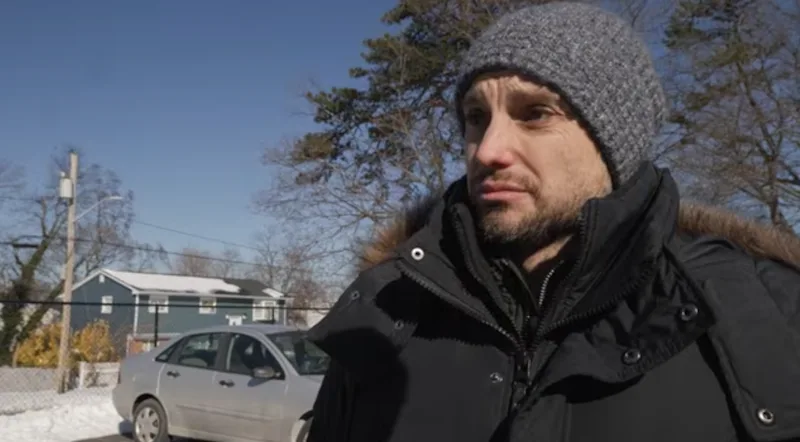
Mike Giuffrida is with the Long Island Coalition for the Homeless. The organization reports that 4,500 people experienced homelessness across Nassau and Suffolk counties last year - the highest number since tracking began in 2007.
Nearly one-third were children.
On one of the coldest days of the winter, the Turn To Tara team joined Giuffrida and his outreach group to search for unsheltered youth.
At a local church that sometimes serves hot meals, they encountered a man seeking refuge from the cold temperatures, only to find locked doors.
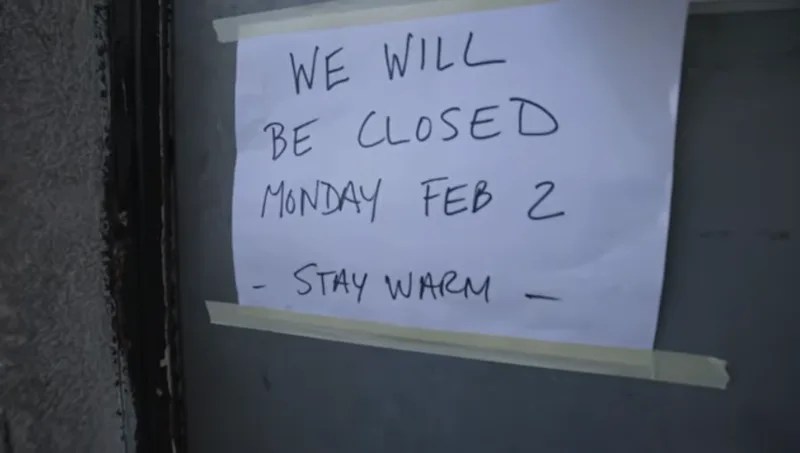
"That might have been his only place where he could have came inside for the day," says Giuffrida. "We're all humans. And if we are all not OK, then we are not the community that I want to be proud to be a part of."
Pushed to the Edge
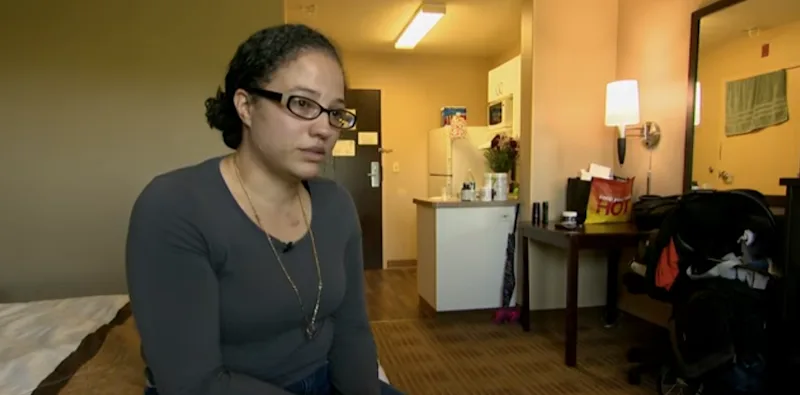
Bronx native Susan Casiano lives in an Elmsford hotel room with her two youngest sons, trying to create something that still feels like home.
She works at Sam's Club, earning about $17,000 annually, and says she makes every dollar stretch to cover basic necessities while keeping her children housed - even if it means going without food herself.
"I'd rather them eat than myself," she says.
Casiano says that at one point, her rent alone matched her entire monthly paycheck.
"My goal was always to build a home for them. I never had the chance," she says. "If I don't work, I can't pay for the hotel to keep them off the street."
At her lowest point, Casiano says she thought about ending her life.
"I felt like maybe that will get my boys off the street. They'll have enough money to get a home and get the things that they ever wanted," she says. "I know that's not the way to go. I wouldn't want to put them through that."
The Barrier to County Shelters
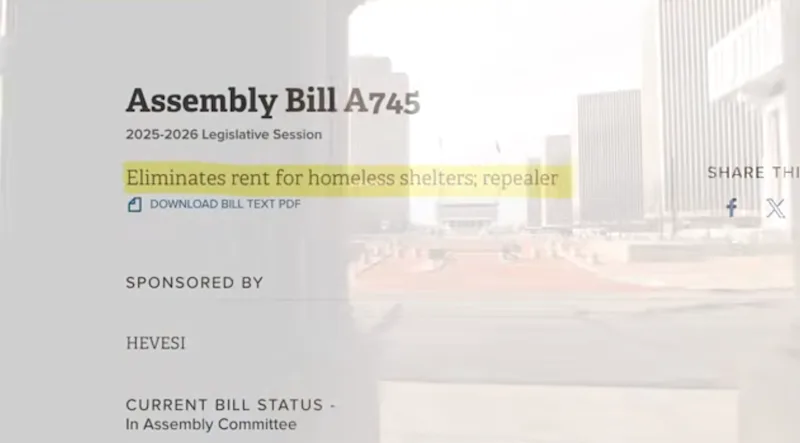
For Casiano, staying in a county shelter presents a major hurdle. Under a New York state policy established in the 1990s, shelters can collect a significant portion of a working family’s income to assist with shelter costs.
Now, a handful of state lawmakers are pushing to repeal the rule, arguing it keeps families like the Casianos trapped in survival mode.
"They will only give me $45 a month of what I make," Casiano shared. "I told them, 'That's impossible. What am I supposed to do with $45?'"
'Hidden Homelessness'
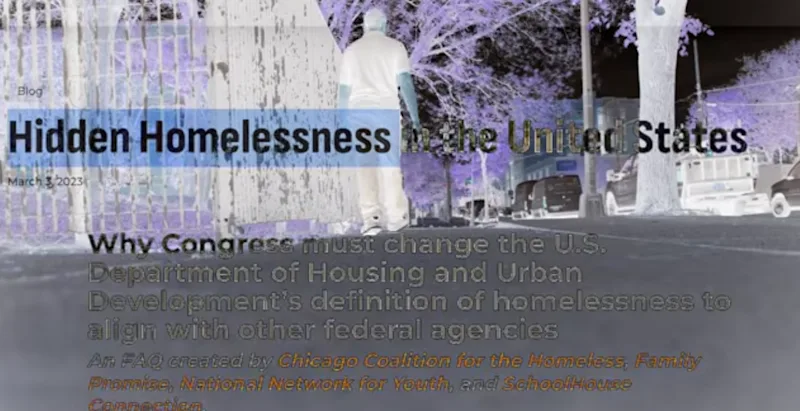
Advocates emphasize that youth and family homelessness often goes unnoticed because it lacks visibility.
Doubling Up: Families frequently move between couches or double up with relatives to avoid sleeping on the street.
Uncounted Youth: Advocates say these arrangements have led to widespread undercounting of children in crisis.
Economic Drivers: Rising costs of rent, housing, childcare and groceries continue driving vulnerable residents to housing instability.
"Child poverty and homelessness is an issue throughout the tri-state area, and many are being uncounted. Many are falling through the cracks," says Angel Gray, program and policy director at the Westchester Children's Association. "I think we all need to open up our eyes and be a little more realistic about what's going on because the numbers don't lie, unfortunately."
Legislative Progress Lags
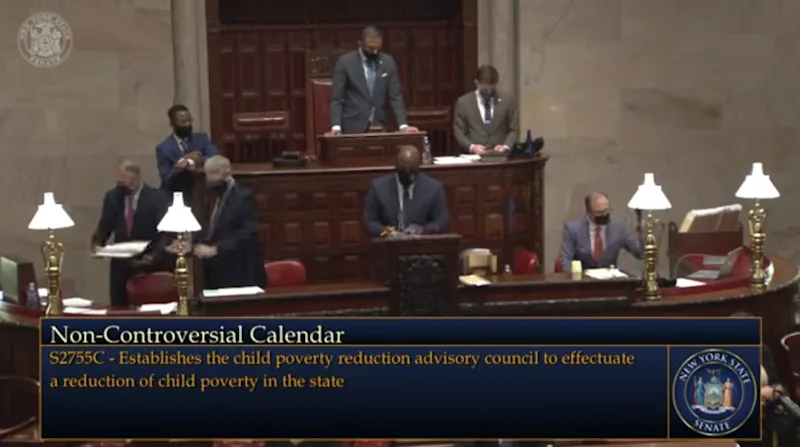
As the crisis continues to grow, New York state has already acknowledged child poverty as an emergency.
New York enacted the Child Poverty Reduction Act in 2021. The landmark law promised to cut child poverty in half by 2031.
That task force has since made a number of recommendations to tackle the crisis, but advocates argue progress has not been felt in all communities five years later.
"Every moment that we are going back and forth about these conversations and making cuts to certain programs, there are children and families that are suffering - or a parent is going home not knowing what tomorrow will look like," says Gray. "We need to move a little quicker and be mindful of the folks who are living in these experiences."
Lawmakers Push to Fix Homeless Youth Count
Youth homelessness in America remains a critical yet often hidden crisis.
For years, advocates have warned that thousands of kids are falling through the cracks.
It's not because they don’t exist but because the government doesn’t always count them.
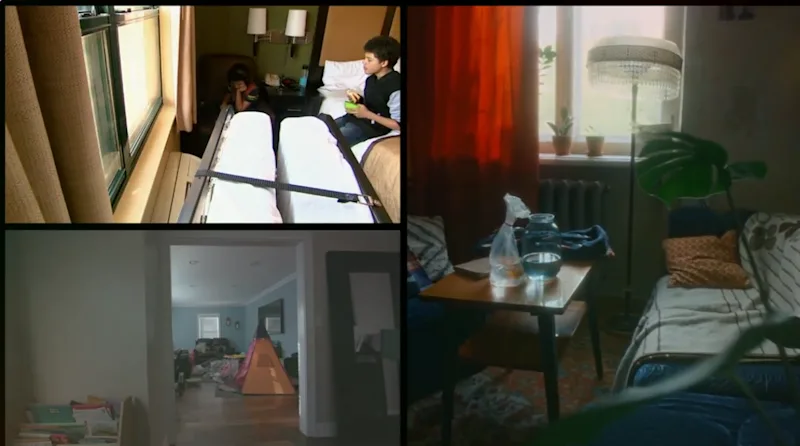
Right now, different federal agencies use conflicting definitions of what it means to be homeless, so a child sleeping on a relative's couch or inside a hotel room may be considered homeless by their school district, but not by the U.S. Department of Housing and Urban Development (HUD).
That distinction can determine who gets help and who doesn't.
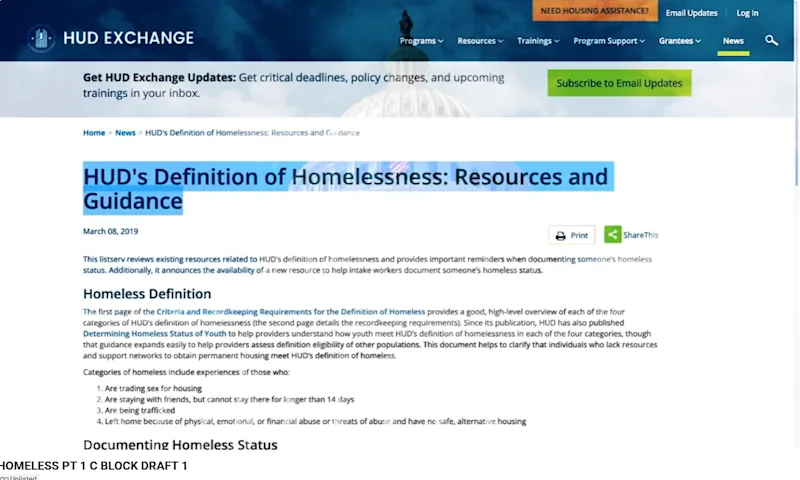
To close this gap, New York Republican Rep. Mike Lawler is pushing bipartisan legislation called the Homeless Children and Youth Act, so more kids and teens can qualify for housing support.
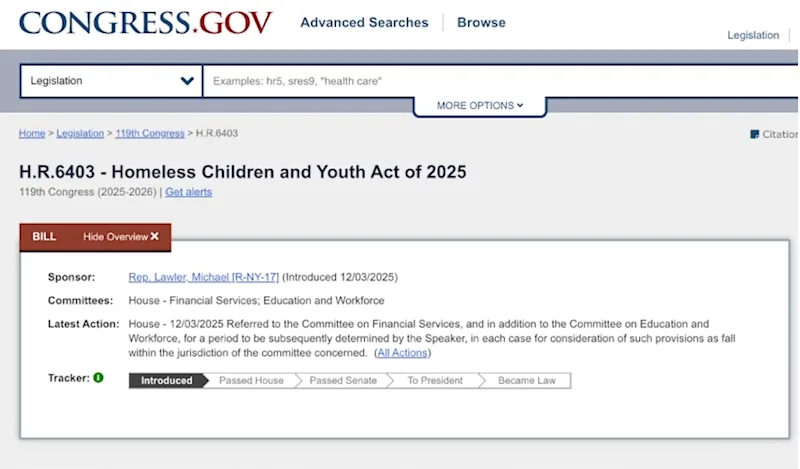
The bill would align HUD's rules with other federal agencies, including the Department of Education, which already counts students living in motels, doubled up with family or couch-surfing as homeless.
"The fact that within the federal government, the definition of homelessness is different across agencies to me is wrong," Lawler said. "If the Department of Education is saying that a child is homeless, but Housing and Urban Development is not defining them as such, that means Housing and Urban Development is not spending the resources necessary to help ensure that child has a stable home."
Advocates, like Darla Bardine, stress that current federal programs targeting young people are severely underfunded compared to adult programs.
Bardine, who runs the National Network for Youth, a group that advocates for homeless teens across the country, says the current system prioritizes the most visible homelessness, while many young people remain hidden.
She says another major problem is that the federal government still doesn't even have a full picture of how many young people are even homeless right now.
This news comes as research shows that up to 40% of chronically homeless adults first experienced homelessness before they turned 25 years old.
"Until we build a homelessness system for all, we're going to continue to have fragmented systems and programs, where our most vulnerable young people are falling through the cracks," says Bardin.


