KIYC: Use of deadly force mired by missing records, grand jury secrecy
The decision to use deadly force is supposed to be a last resort, but is it happening too often? Our investigation found that it may be happening more than anyone realizes.
More Stories


A Kane in Your Corner investigation is shining a spotlight on how police use deadly force in New Jersey.
The decision to use deadly force is supposed to be a last resort, but is it happening too often?
KIYC went through five years of state records and found that the records don't tell the full story. There are investigations shrouded in secrecy, high-profile cases missing from state records and people suffering from mental illness among the most likely to face deadly force.
Our investigation also found dedicated officers using a new approach, which some say could be a model for the country.
MISSING CASES
In New Jersey, any police encounter that ends in death is required to be investigated by the New Jersey Office of the Attorney General and brought before a grand jury. All uses of force must be logged into a public database that anyone can see.
But the KIYC investigation found serious problems with the accuracy of the State Attorney General’s database.
The three incidents listed below are just some of the shootings not in there. If one relied on state records, they wouldn't know any of them had happened.
May 2023: Officers in Newark get into a gunfight with a man suspected of murder. The suspect, Everett Rand, is pronounced dead at the hospital.
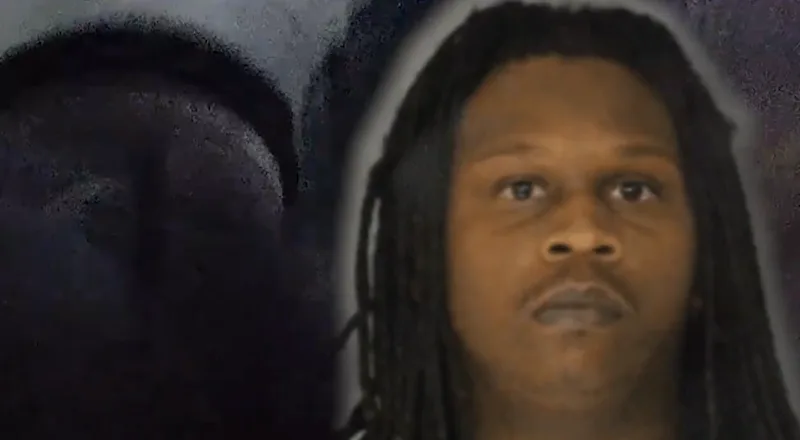
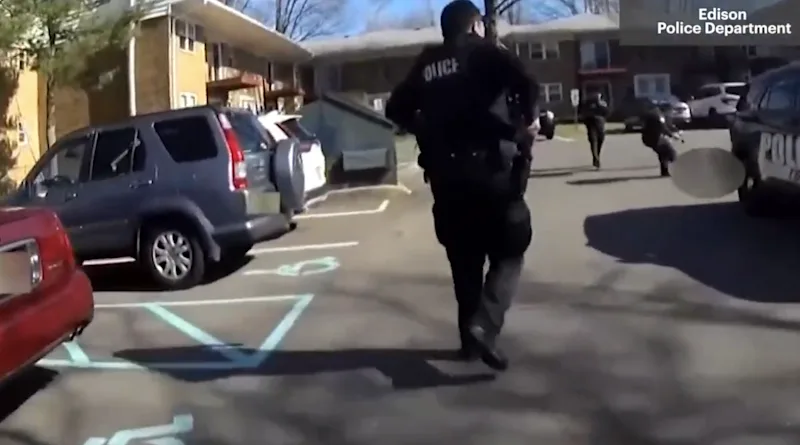
April 2022: Police in Edison shoot and kill 48-year-old Merrill Rambarose after he charges at them with an axe.
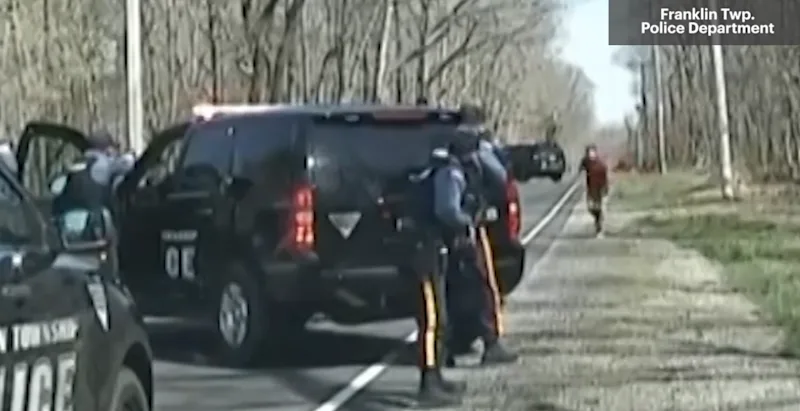
April 2021: Police in Buena Vista shoot and kill Roy Jackel, a man they say was acting erratically after leaving the scene of a motor vehicle accident.
Richard Rivera is the police director of Penns Grove and a longtime law enforcement analyst. He says the KIYC investigation has uncovered a serious problem that needs to be fixed.
“How are we supposed to gauge the actions of officers?” Rivera says. “How are we going to change training? How are we going to increase supervision? How are we going to guide them better if we don't have anything concrete to go based on?”
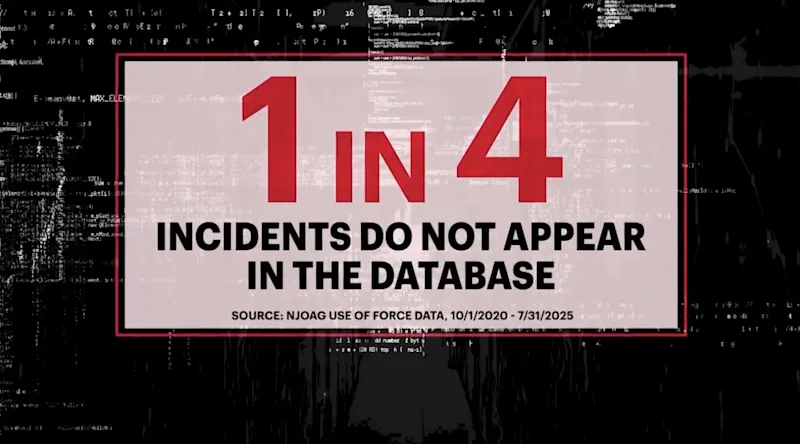
KIYC examined every case of deadly force since the state's database went online in 2020 and found that about 1 in 4 incidents are missing.
Attorney CJ Griffin, a well-known advocate for government transparency, says the KIYC investigation raises important questions.
“If the deaths are missing, which are the ones that are really high profile, it really makes me question how many others are missing,” Griffin says.
And many of the missing incidents are high-profile cases, including the only use of deadly force since 2020 that resulted in an indictment - the shooting of Charles Sharp in Mantua in 2021.
There was also a police chase in Deptford Township in 2023 that ended with both the officer and suspect dead.
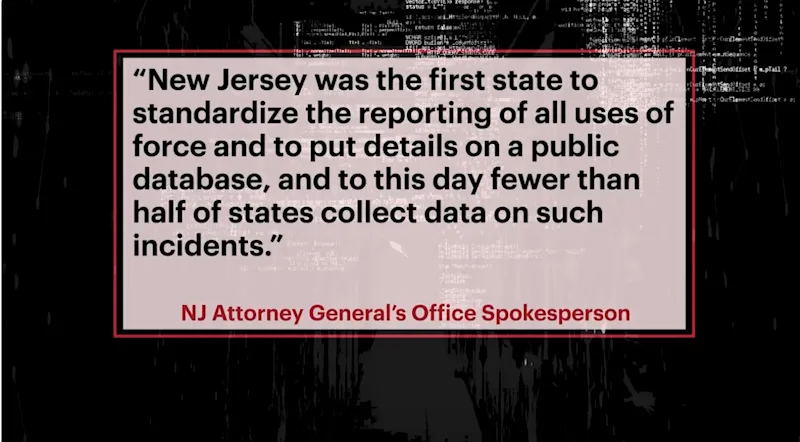
KIYC asked the NJOAG what it does to ensure that police departments file mandatory use-of-force reports. A spokesperson did not answer directly but said that when it comes to tracking deadly force, New Jersey is ahead of the curve.
But some advocates say that's not much consolation when the data is incomplete.
INVESTIGATIONS SHROUDED IN SECRECY
Five years ago, New Jersey changed the way it investigates police use of force. All cases now go to a grand jury, a move that was supposed to improve transparency, but the KIYC investigation found that it may have done the opposite.
Some relatives of those killed by police say investigations are so shrouded in secrecy that they’re often left in the dark - including the family of Victoria Lee.
Lee was a classically trained cellist who was shot and killed last year by police in Fort Lee. The 25-year-old had bipolar disorder and died after her family initially called 911 in hopes of getting her medical help.
A grand jury declined to indict the officers involved. Lee's family and some advocates struggle to understand why.
“The public knows nothing about what the grand jury saw or who was called to testify,” says Amber Reed, co-executive director of AAPI New Jersey, which advocates on behalf of the Asian American community. “It doesn't even sound like they called someone who should have been the star witness, Mrs. Lee, who was right there holding Victoria's hand.”
Advocates say the Lee family is not alone.
They say the process of investigating shootings by police is often shrouded in secrecy.
"I think one major issue with the process is a lack of transparency for the people that the process is supposed to serve," says attorney Amelia Green.
In 2023, a foot pursuit in Deptford led to the deaths of both Officer Robert Shisler and suspect Mitchell Negron. Shisler’s body-worn camera fell off during the struggle, so the death is not captured on video.
All the Attorney General’s Office will say about the incident is that “both individuals were shot.”
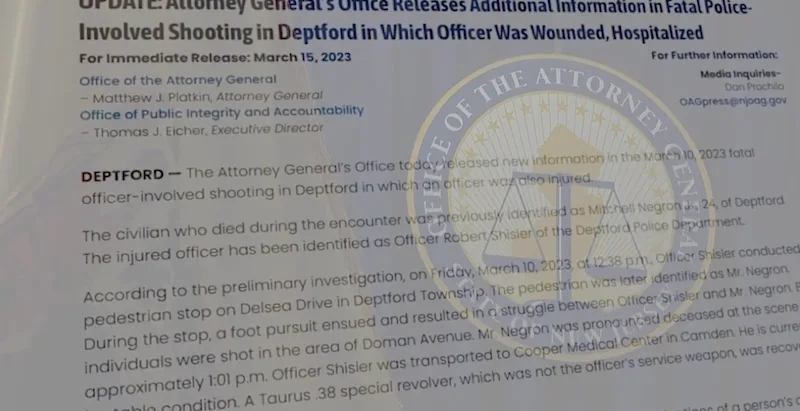
That means that nearly three years after the incident, the public still doesn’t know who shot first or who fired the fatal shots.
“We should all care what happened because two people have died, two mothers have lost their sons,” Rivera says. “We should know precisely what took place.”
KIYC asked OAG for a copy of the ballistics reports under New Jersey’s Open Public Records Act. It denied the request.
When it comes to investigating deadly police encounters, not every state is as secretive as New Jersey. In New York and Connecticut, the attorney general or inspector general provide detailed reports on deadly police encounters, including evidence and witness statements.
“I would love to see that sort of transparency here,” says Griffin. “Give us the evidence that the grand jury reviewed so that we can see that it was presented in a fair way by the prosecutor.”
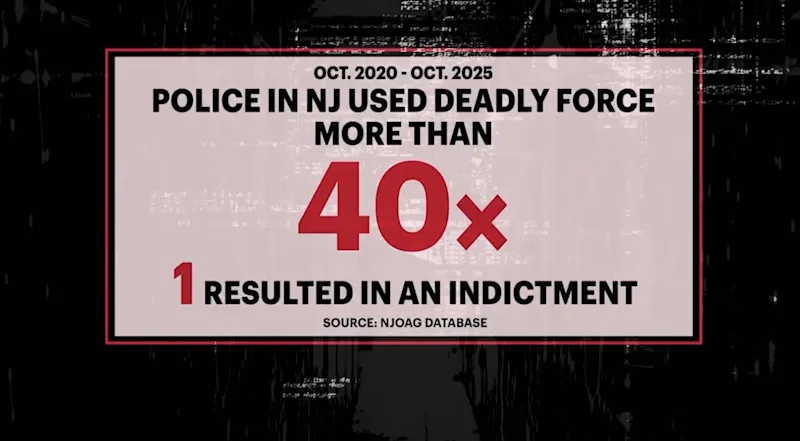
Investigations into police shootings also rarely result in any charges. In the past five years, police in New Jersey have used deadly force more than 40 times. Just one of those cases led to an indictment.
“It cannot be that this many police shootings, none of them, save one or two, are sufficient for an indictment, for a criminal jury to actually hear and decide the charges,” says Green, who also represents the Lees.
Brian Higgins, a retired police chief and law enforcement analyst, interprets the data differently.
“I would tend to believe that it means…the officers are doing the best job they can,” he says.
New Jersey Attorney General Matt Platkin declined our request for an interview, but a spokesperson denies that families are kept in the dark.
“In New Jersey, the grand jury process, by law, is not public,” they said. “But OAG has dedicated staff to work with families, providing updates on an investigation as it is happening.”
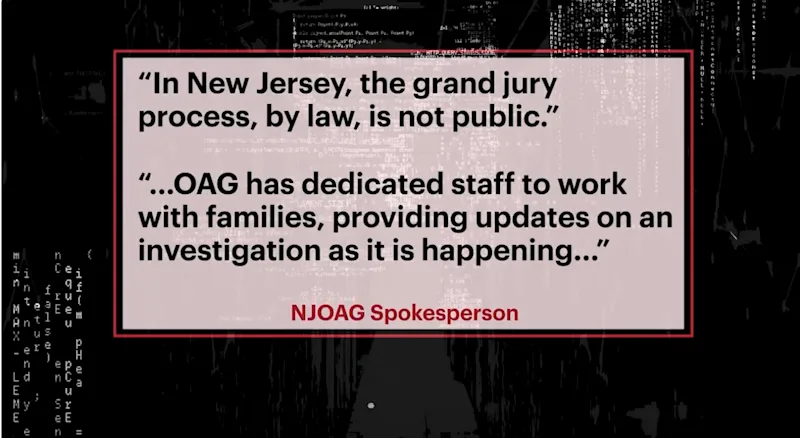
MORE: Statement from the New Jersey Attorney General's Office
PEOPLE WITH MENTAL ILLNESS MOST AT RISK
People suffering from mental illness are among the most likely to killed by police. Does New Jersey do enough to prevent these incidents from happening?
Bernard Placide
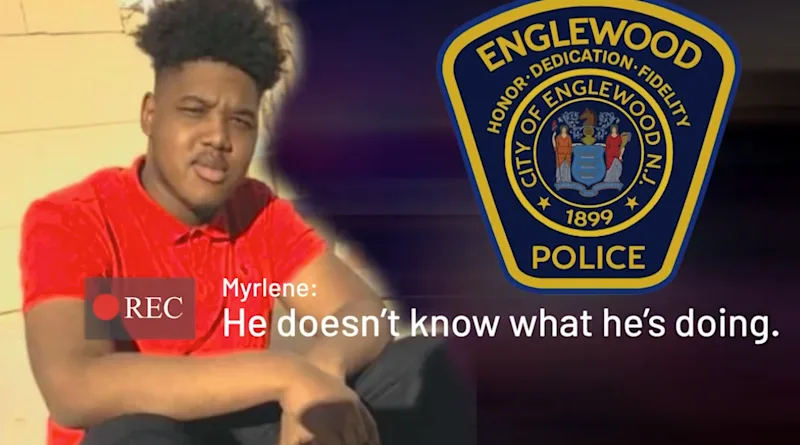
In September 2022, Myrlene Laurince called Englewood police to say her 22-year-old son, Bernard Placide, was having a mental health crisis.
She called 911 to get her son medical help. Instead, her son wound up dead.
"They end up killing my son for nothing," she says. "I don't think my son deserved that."
Police body-worn cameras show that when officers arrived, Placide retreated to his bedroom. He was armed with a knife but alone and did not pose an immediate threat to anyone but himself.
Instead, officers ordered Placide to come out. And when he didn't, they went into the room and stunned him with a Taser. An officer got on the floor with him and tried to wrestle the knife from his hand. After a brief struggle, the officer fired a fatal shot.
The entire incident took less than two minutes.
A grand jury cleared the officers, but the Placide family is now suing Englewood police. They say officers needlessly escalated the situation.
"They pulled out their guns, cocked them, put their laser sights on, and told him they were going to shoot him. So far from de-escalation, it merits an indictment," says attorney Eric Kleiner.
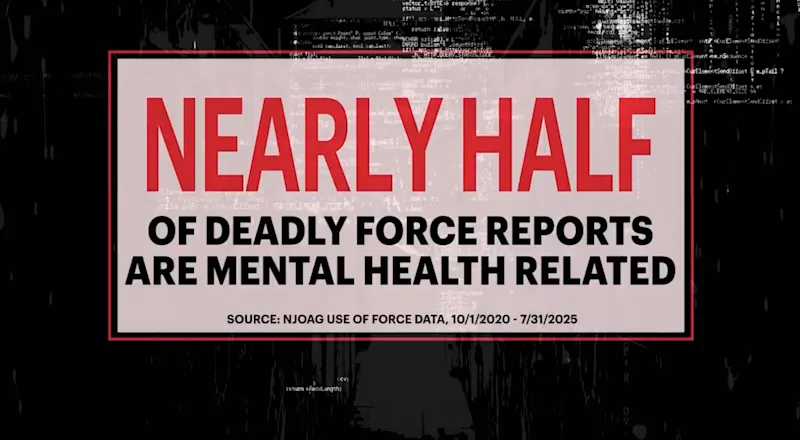
What happened to Placide is not uncommon. Since the state started keeping data, people experiencing apparent mental health incidents make up one-third of police uses of force.
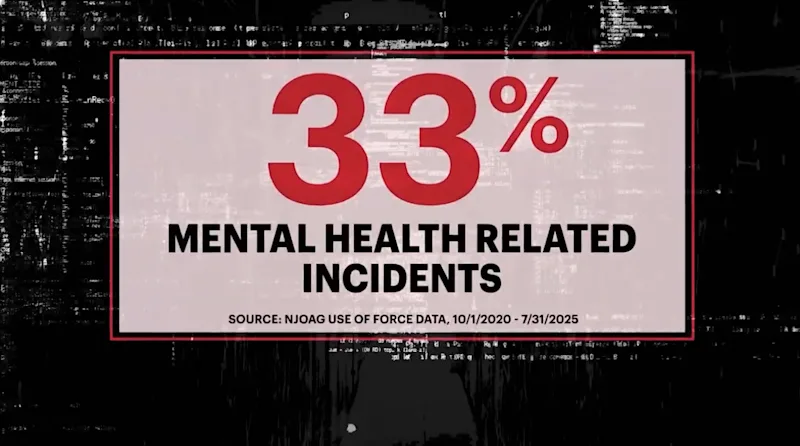
...and nearly half the incidents of deadly force.
Victoria Lee

Victoria Lee was shot and killed inside her family’s apartment in Fort Lee. The family tried to head off the danger - when Victoria’s brother called 911, he said he didn't want to get police involved.
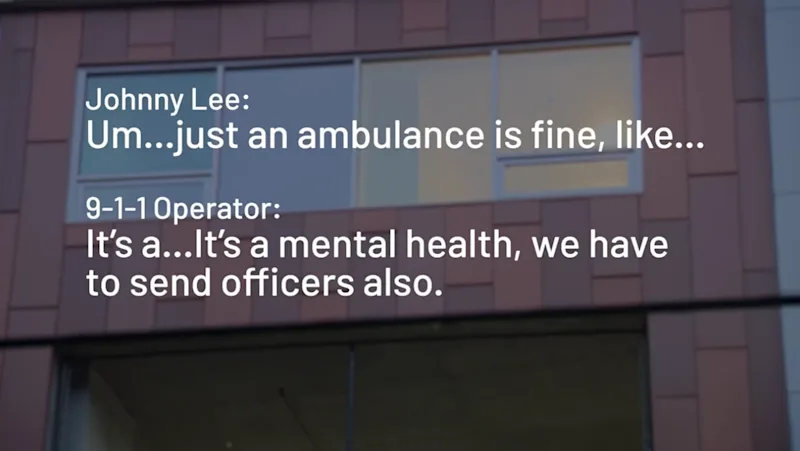
Body-worn camera footage shows officers gathered outside the apartment while Victoria and her mother were inside. Lee was armed with a small knife. Officers can be heard discussing which of them should draw his gun and which will be assigned to “less lethal” options.
But seconds after an officer broke down the door, police fatally shot Lee after they said Victoria tossed a plastic water jug in their direction.
“There was an officer with a police barricade who was right at the door, ready to act. There was another officer with a Taser. I mean, why even have those options if you're going to default to the most deadly option?” says Jae Lee, an attorney for the Lee family.
Some law enforcement experts say officers who respond to mental health incidents are often put in nearly impossible situations.
"They have to make a split-second decision. Those people judging get the luxury of the moments that the police officer doesn't get," says Higgins.
ARRIVE TOGETHER: IS THE PROGRAM WORKING?
A few years ago, New Jersey began a program to reduce the use of force against people suffering from mental illness.
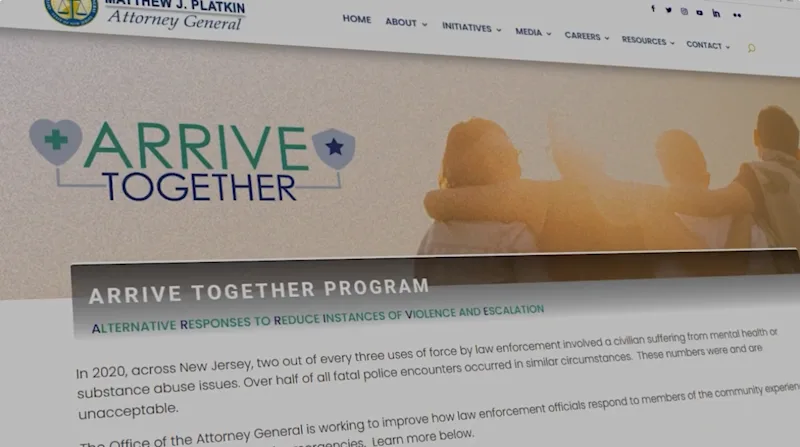
It’s called ARRIVE Together, and it teams police with mental health professionals.
But our investigation raises serious questions about just how well this program is working.
Deborah Terrell
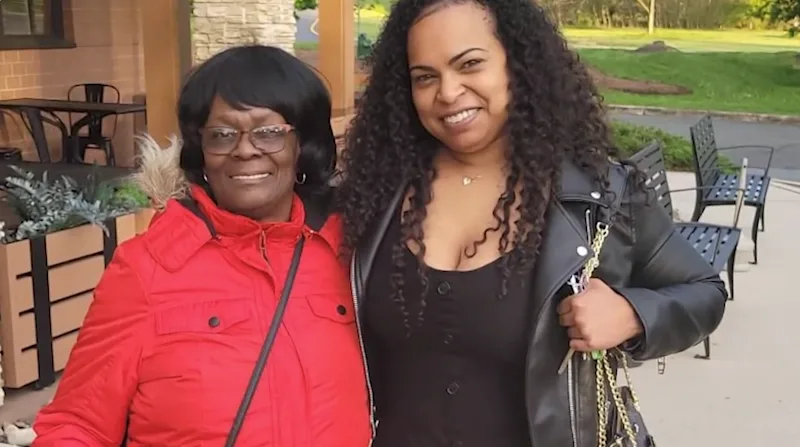
Deborah Terrell’s family says she was a kind and caring person.
Terrell also suffered from bipolar disorder, and in August, she was killed inside a senior housing complex by New Brunswick police.
"It was extremely reckless," says her nephew Tormel Pittman. "They didn't think of ‘maybe we need to get somebody here who could possibly talk to her, possibly, calm her down.'"
Body-worn-camera footage shows that as police officers arrive, they’re told Terrell has a knife and has been threatening a neighbor.
The shooting is under investigation by the attorney general, but Pittman believes his aunt didn’t need to die.
"The situation didn't heighten until they decided to heighten it," he says.
New Brunswick is one of more than 300 New Jersey towns taking part in ARRIVE Together, teaming officers with mental health professionals.
"We've been on the cutting edge of reforming our criminal justice system," says Platkin. "ARRIVE Together is a co-responder model. They arrive in an unmarked car, they arrive together and they respond to the incident with the mental health professionals taking the lead."
But there was no mental health professional on scene when Terrell was killed.
"Why not wait another 30 minutes or why not another hour until the people arrive on the stage who are professionally trained to deal with that kind of issue?" says Larry Hamm, founder of the People's Organization for Progress.
But our investigation found that New Brunswick police policy forbids using ARRIVE Together to help people like Terrell.
The policy says: “Under no circumstances will the ARRIVE team be dispatched to a call for a person with a weapon.”
Only after the scene is secure is the ARRIVE team allowed to respond.
"That would have made all the difference to have a mental health specialist on a scene with them. That's the purpose. So things like this don't happen," says Pittman.
Our investigation also found that despite the name, ARRIVE Together rarely means that police and mental health workers arrive together. In fact, we found a joint response only happens 19% of the time.
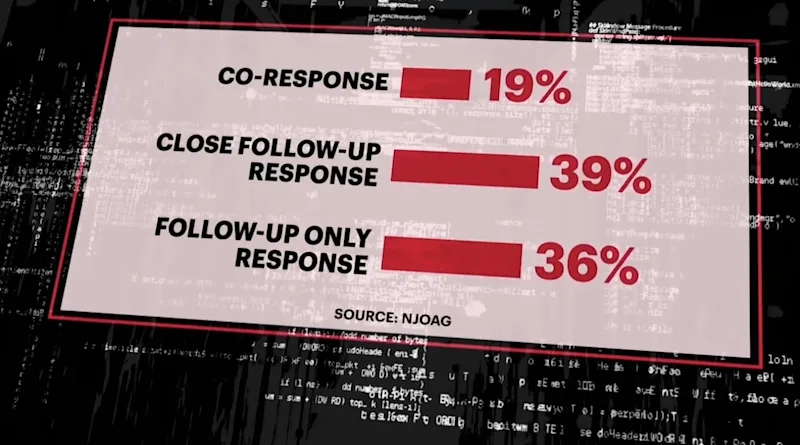
In 39% of cases, police arrive first, then call for mental health backup.
And 36% of the time, social workers don’t go to the scene at all; they just provide follow-up.
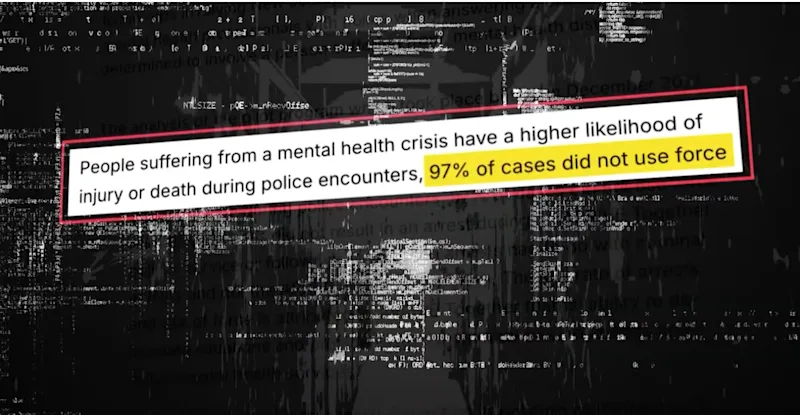
The numbers indicate that when it’s used, ARRIVE Together works. One study showed 97% of mental health incidents are handled without using force.
Which is why some in law enforcement want the program expanded.
"The police are being thrown into this situation where all other options have been unsuccessful. And then they're told after the fact, well, if a mental health professional was there, They are second-guessed," says Higgins.
Tormel Pittman says he hopes his aunt’s death eventually leads to positive change.
"Never again," he says. "No family should be trying to figure this out like our family is."
In other municipalities, ARRIVE Together is used more aggressively.
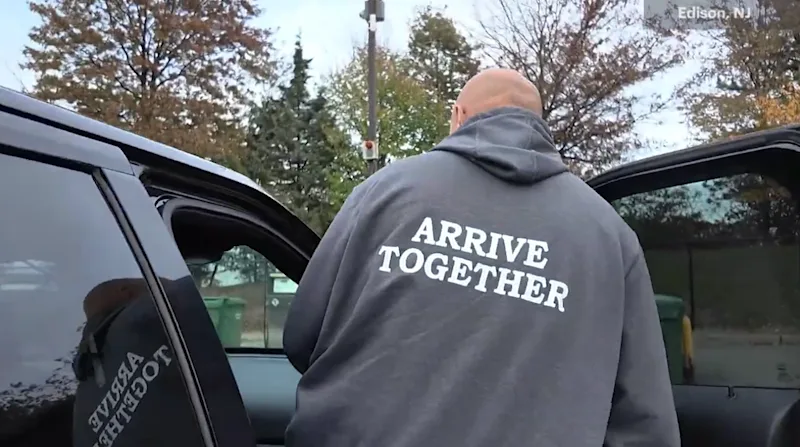
Kane In Your Corner rode with police officers from the ARRIVE Together Unit in Edison. They respond to every mental health-related call the department gets.
"I'm not coming there to arrest your loved one. I'm there to help your loved one," says Sgt. Matt Mieczkowski, of the Edison Police Department. "Our No. 1 goal is de-escalation. Get them out safely. No use of force. That's my No. 1 goal on every single call I go to. Edison was one of the first department's in New Jersey to use ARRIVE, despite opposition from some who thought civilians shouldn't be riding with police.
Three years later, the results speak for themselves, according to Edison police.
Mental health calls are among the most common cases that lead to police using force - but Edison Police Chief Thomas Bryan says that's not the case in Edison.
"In over 300 call-outs, it only resulted in one arrest, which is absolutely amazing," says Bryan. "One incident of use of force in the one arrest and that was it."
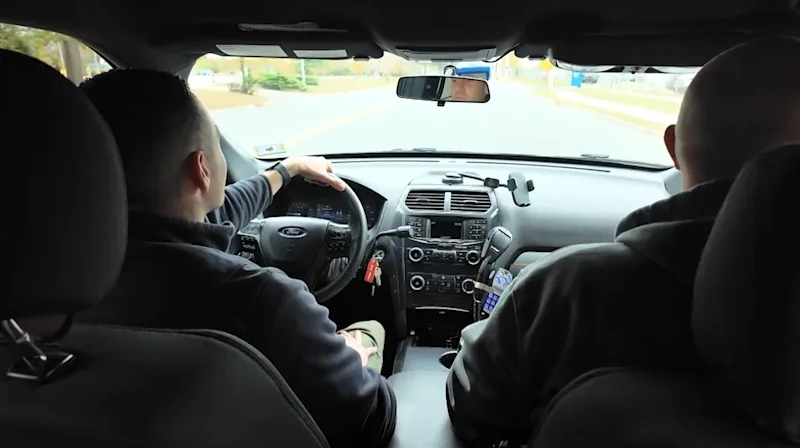
Some believe Edison's approach to mental health calls could be a model for the nation, and some advocates say New Jersey also needs to do a better job of investigating police shootings.
They say the state's policy of sending every case to a grand jury has had unintended consequences. "There's grand jury secrecy in the law, it's well known, it's understood. But in a case where a public police officer has shot someone. That secrecy, there's no reason for it," says Green.
ADDITIONAL LINKS:
KIYC: Families of people who died during police encounters call for more transparency
KIYC investigation finds gaps in program meant to reduce police use of force on the mentally ill
KIYC investigation finds gaps in state’s use of deadly force database