Homeless Youth in Crisis: The Missing Voices
A yearlong investigation by Turn to Tara and Covenant House uncovers the shocking realities behind the tri-state youth homelessness crisis, challenging common misconceptions with unfiltered stories from young people.
More Stories


Last year, the Turn To Tara team set out to understand what was driving an explosion of youth homelessness across the tri-state. The numbers were hitting record highs, but the data couldn't answer why.
To find out, the team forged a first-of-its-kind partnership with Covenant House, the largest provider of youth shelter services in the tri-state, launching an unprecedented survey of young people navigating homelessness across New York, New Jersey and Connecticut.
What they revealed challenges everything we thought we knew about youth homelessness.
The Turn To Tara team also discovered that New York promised to cut child poverty in half by 2031, yet our investigation found growing doubts about whether the state can still meet that deadline.
The project: How an email sparked an investigation
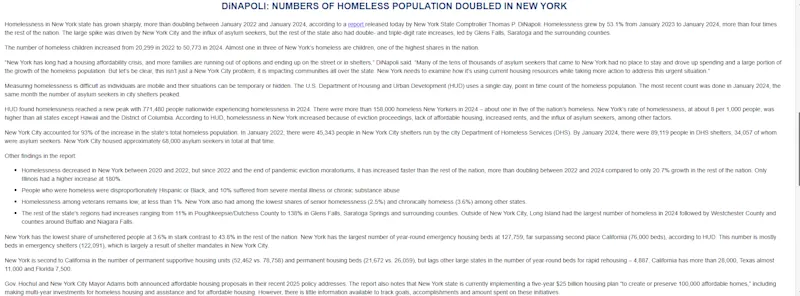
The project began a little over a year ago when News 12 senior reporter Tara Rosenblum received an email that landed in her spam folder - just a few lines from the New York state comptroller about how youth homelessness had hit record levels.
The team decided to dig deeper, soon realizing just how little coverage the issue received, despite the tri-state being one of the wealthiest parts of the country. That discovery sparked a yearlong investigation and an unprecedented 16-question survey aimed at uncovering the root causes of youth homelessness and what happens to young people once they lose a place to call home.
Over several months, 100 young people from across New York, New Jersey, and Connecticut took part, providing an unfiltered look at what it means to experience homelessness so young.
What the Survey Revealed: Shattering the Myths

While the participants grew up in different ZIP codes, their answers pointed to the same critical themes, completely challenging what people think they know about youth homelessness.
1. The True Catalysts
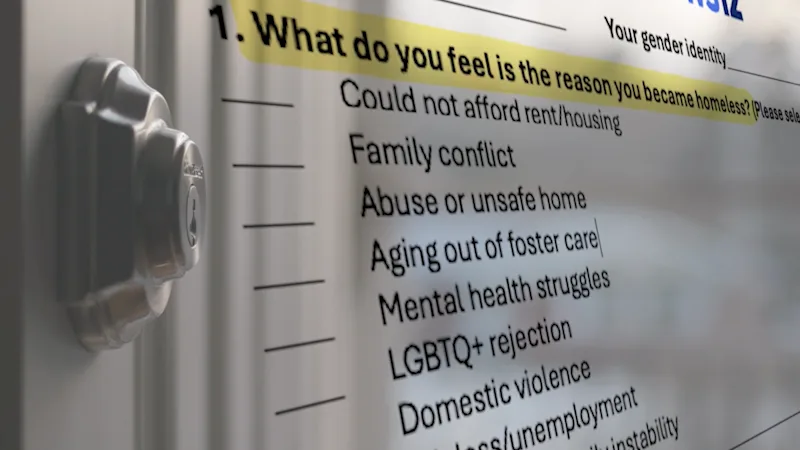
When asked what drove them from their homes, the top answers weren't drug addiction or romances gone bad. They were family conflict, unsafe home environments, and - for roughly one in 10 - rejection after coming out about their sexuality.
2. Sleeping in the Shadows
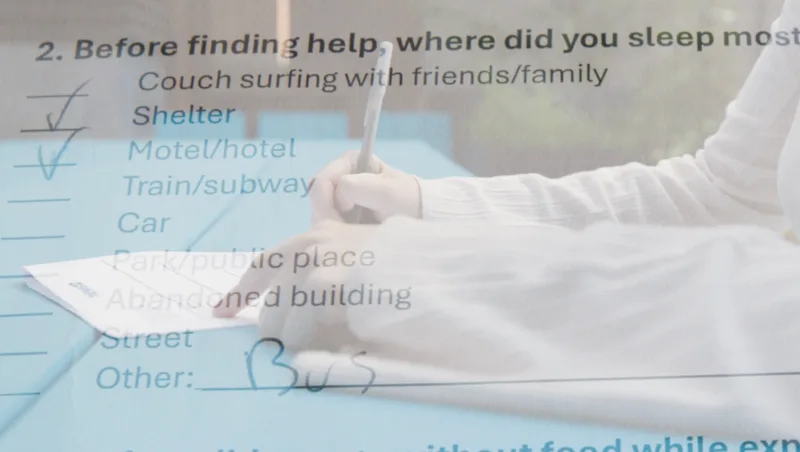
Most of the young people who answered the survey didn't sleep on the street. Instead, they described moving from couch to couch or sleeping on trains and buses, helping explain why so many go entirely uncounted.
That constant uncertainty took a staggering toll on their daily lives:
Three-quarters of those surveyed said homelessness changed the way people treated them.
83% said they tried to hide their situation from friends, classmates, coworkers and family.
92% said they felt unsafe while experiencing homelessness.
86% reported going hungry.
When asked what stood between them and getting help, 55% said they didn't know where to go or couldn't find the right resources, 20% were too embarrassed to ask and 7% simply didn't trust the system.
When asked what might have kept them from becoming homeless in the first place, the top five answers were affordable housing, mental health support, more youth shelters, better pay and emergency cash assistance.
The Turn To Tara team also asked about their future, and one answer kept coming up: their fear of ending up right back where they started, homeless all over again.
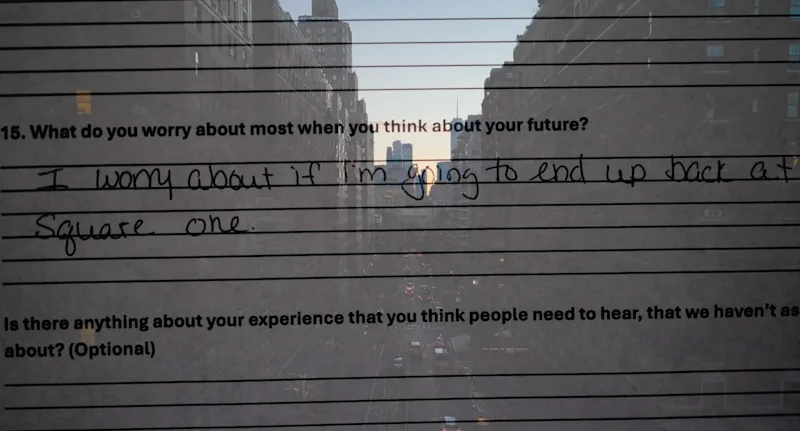
In Their Own Voices: The Personal Toll
The statistics tell one story, but the young people living through it tell another. Behind the data are teenagers forced to grow up overnight.
Zayyona Simpson
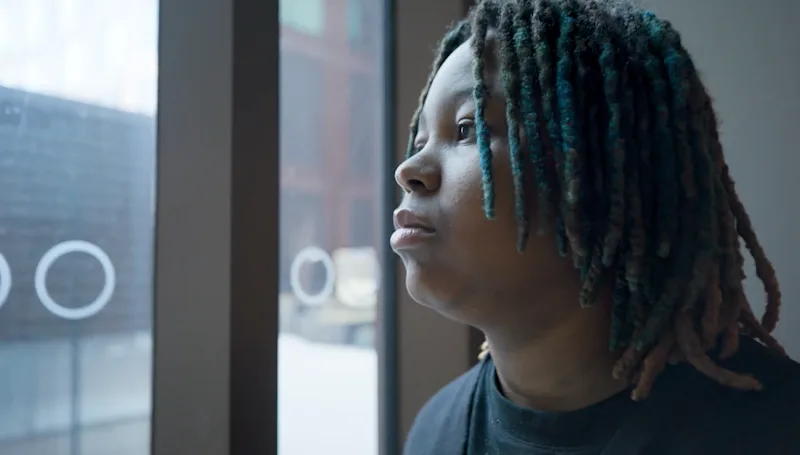
Zayyona Simpson, who rallied crowds in Times Square to draw attention to the crisis, recalled carrying everything she owned in heavy bags while moving between subway cars and friends' couches:
"My back was hurting because I had bags and bags to carry. There was times where I didn't eat for like maybe a week. I felt like I was dying almost... A lot of people, they just walk past us and then they look at you like you're not human."
Dilon
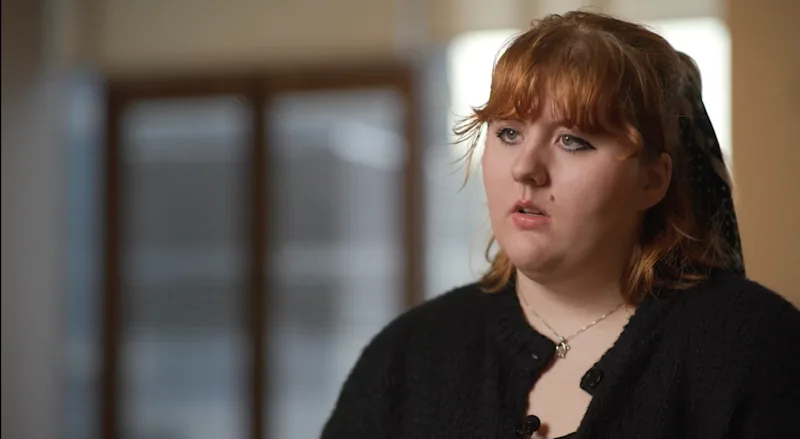
Dilon, an aspiring artist who became homeless at 16, described the psychological weight.
"It's not just feeling invisible. It's feeling like you are hated and you're not welcome anywhere."
Grim Ramirez
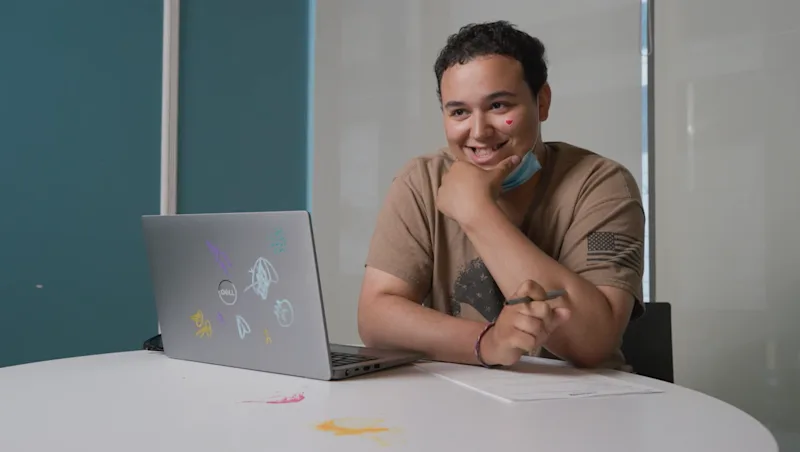
Ramirez, from the Bronx, says home stopped feeling like home.
"I couldn't be me. I couldn't be comfortable."
Marben Fajardo Gonzalez
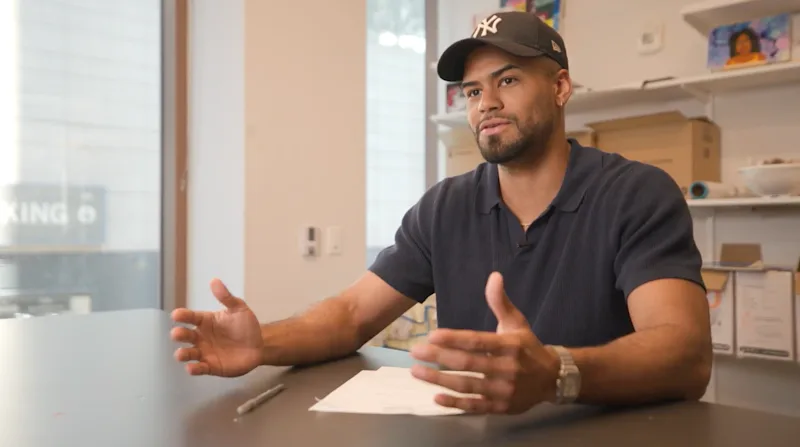
Gonzalez found himself alone in New York after his father had to leave the United States.
"People are not aware sometimes, most of the times, this is not a choice, it's just situations that bring you to that spot."
Veony Marie Artis
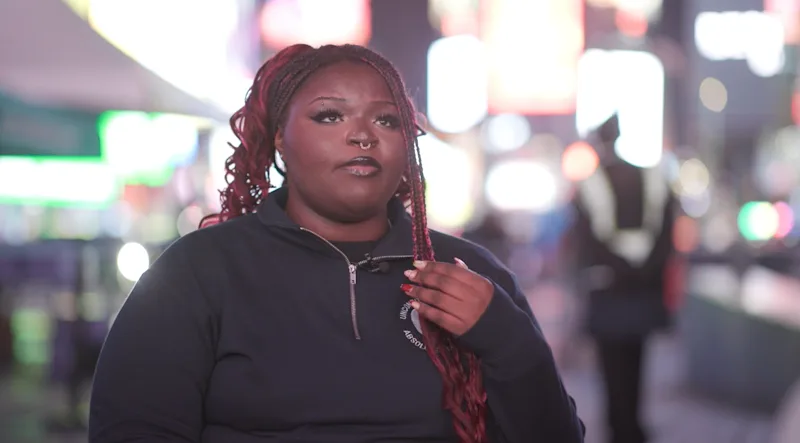
Veony grew up moving through the family shelters, but she says nothing prepared her for becoming homeless on her own as a teenager and sleeping on the streets.
"It is terrifying. It is humiliating. It is embarrassing and it leaves you feeling hopeless, she says. "You see a lot of homeless people in New York and you never think to yourself well this is going to be me one day that's sleeping on this subway car."
The Collateral Damage: Education and the Economy
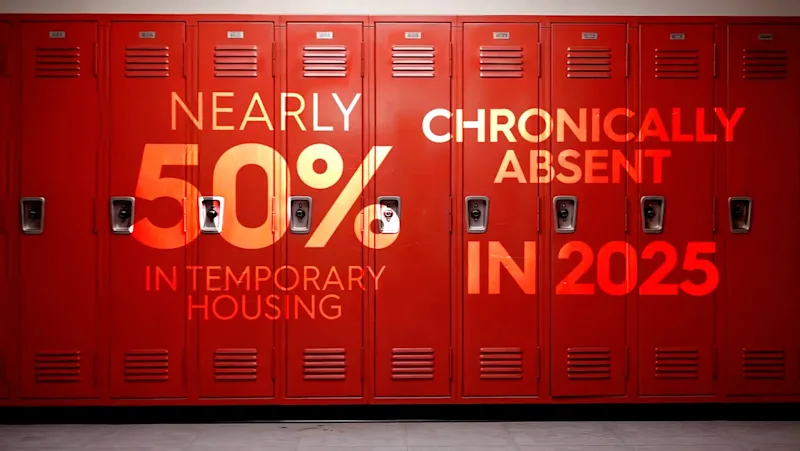
The instability of losing a home leaves scars that last for years - including in the classroom. A Turn To Tara analysis of New York City data, alongside findings from Advocates for Children of New York, reveals that nearly half of children living in temporary housing were chronically absent last year, totaling 1 million lost days of classroom time. One in five students in shelters had to transfer schools at least once.
Experts on the front lines say the crisis is being aggressively fueled by pure economics
Dr. Shakeema North-Albert, CEO of Covenant House New York:
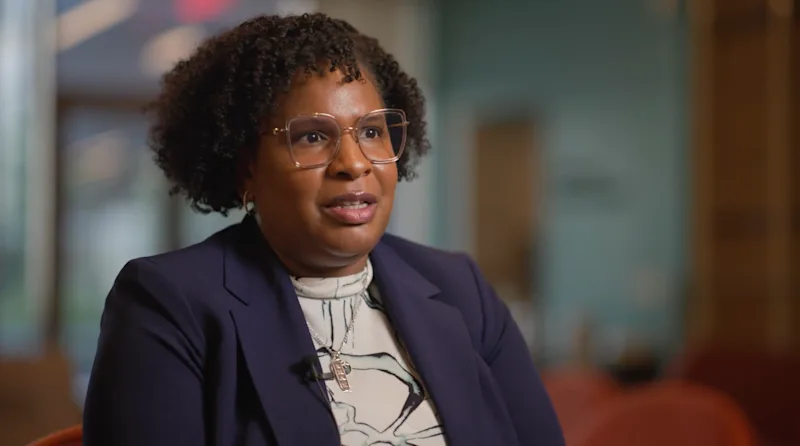
North-Albert, an ordained minister who leads a facility servicing more than 1,200 young people a year, praised the Turn To Tara partnership for truly digging into the issue. She noted that the survey results were "very insightful" and gave them a deeper understanding of why young people come to their doors. "My wheels are already spinning," she said of the findings, adding that they are "definitely enhancing some of the program opportunities that we provide even as we're looking at shifting workforce development opportunities for youth."
Bill Bedrossian, CEO of Covenant House International:
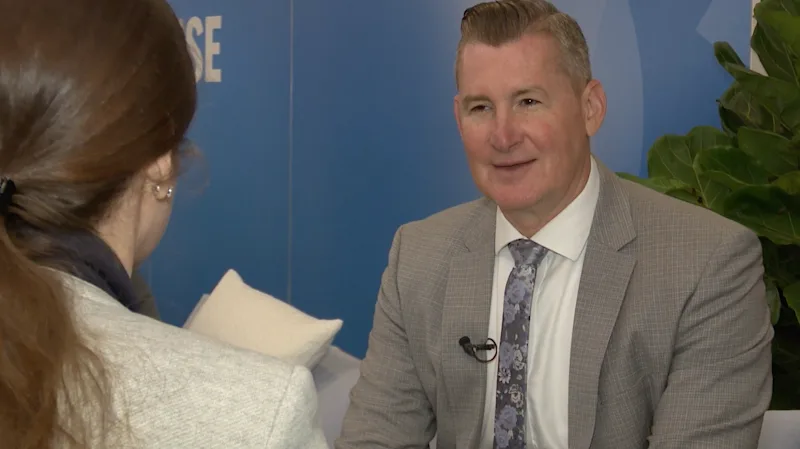
Bedrossian emphasized that the current crisis is driven by sheer economics, noting that young people just can't afford to live on the wages they are receiving. Pointing to the economic divide, he noted: "What keeps me up at night is that the issue is continuing to grow due to the economic divide and I really worry about the gap between affordability for housing and the wages that young people are able to earn in the jobs and industries that are available to them."
Heather Mosher, cofounder of the Youth Action Hub:
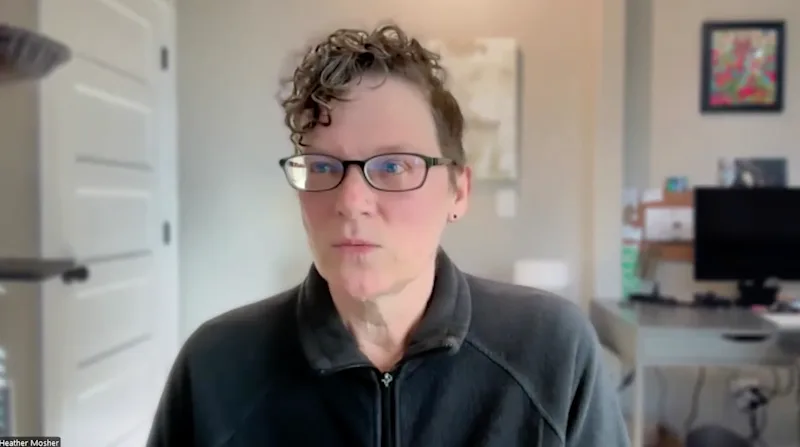
Mosher pointed out a sharp rise in young people experiencing evictions and unstable housing, noting that grassroots organizations providing vital shelter are going out of business due to funding gaps - warning that "there's a real gap in resources."
Dede Hill, of the Schuyler Center for Analysis and Advocacy:
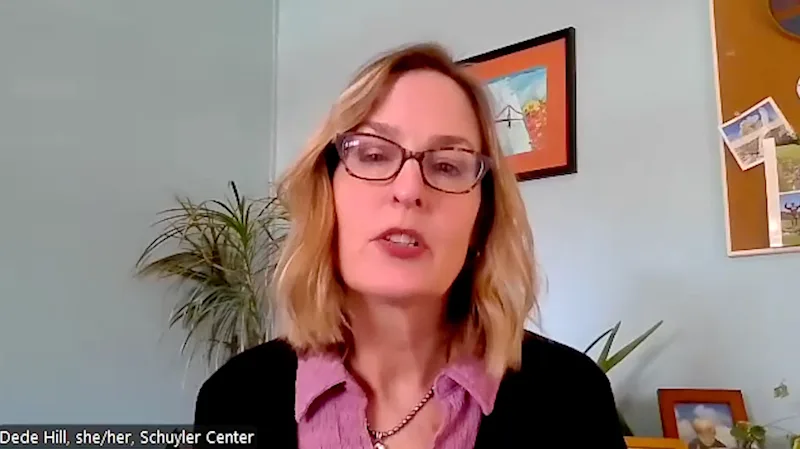
Hill warned that the crisis isn't just confined to major urban centers—noting that three of five New York counties with poverty rates above 25% are downstate in the Bronx, Brooklyn, and Rockland. Pointing out that this has been a persistent problem for over a decade, she emphasized: "People should absolutely stop in their tracks. This has been a persistent problem in New York state for more than a decade, and the child poverty rate hasn't budged significantly - even in good economic times."
Finding Hope in the Shadows of the Crisis
After a year spent reporting on the depths of the crisis, the Turn To Tara team found a different side of the reality at a summer carnival in Brooklyn.
A woman named Francelaine was there with her two young children, having recently asked for help after months of housing instability. Since May, she and her kids have lived in a shelter operated by the nonprofit Women in Need (WIN).
"I'm doing it now. I'm doing it for the kids. I'm doing it to have a better life," she said.
She is far from alone. More than 30,000 children sleep in New York City shelters each night, according to the Coalition for the Homeless. WIN president and CEO Christine Quinn notes that these families blend right into the daily rhythm of the city - moms and children riding the subway from work straight to a shelter bed.
As New York faces a promised 2031 deadline to cut child poverty in half - a target growing increasingly doubtful - the young people surveyed made it clear that systemic solutions like affordable housing and emergency support are the only way to stop the cycle.
MORE:
Homeless Youth In Crisis: Kids Without Keys
Homeless Youth in Crisis: Where to find help - a Turn To Tara guide


