NASA's newest space telescope will shed some light on our dark universe
Ahead of schedule and named for the first female executive and chief of astronomy at NASA, this telescope will give the world a completely new view of the Milky Way galaxy and beyond.
More Stories


NASA’ s newest space telescope, the Nancy Grace Roman, successfully launched into space Sunday morning.
Ahead of schedule and named for the first female executive and chief of astronomy at NASA, this telescope will give the world a completely new view of the Milky Way galaxy and beyond.
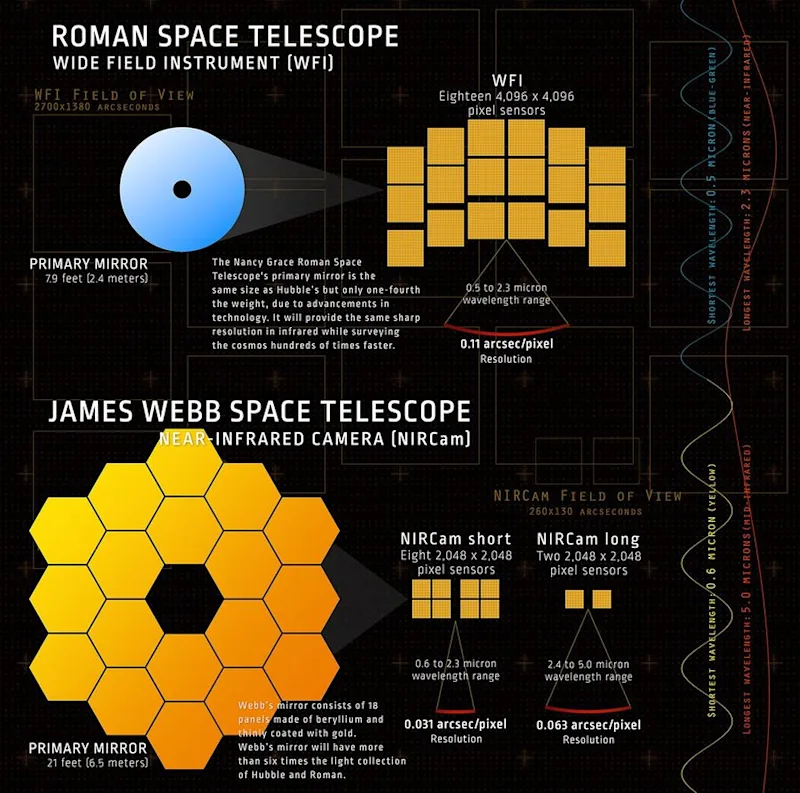
Roman joins the space telescope family along with Hubble and James Webb. Its superpower will be able to survey large regions of space about 1,000 times faster.
It will be able to discover new planets outside the solar system, map billions of galaxies, study black holes and dark mater -- all without the Earth’s atmosphere getting in the way.
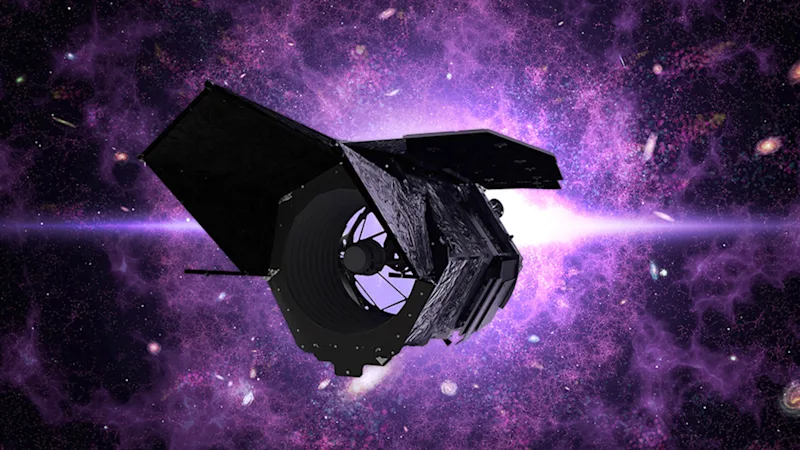
It’s now on a 1 million-mile, three-month long journey to its orbit, which will sit at the second Sun-Earth Lagrange point, or L2. Roman will face opposite the Sun, using it to power its instruments.
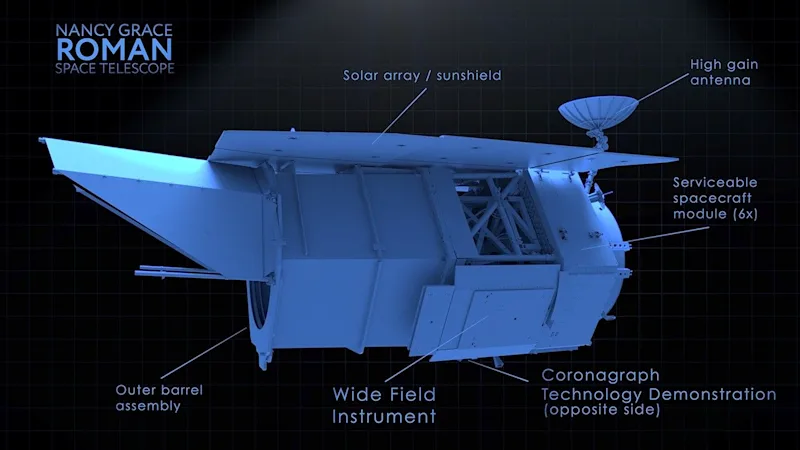
On board is a very large mirror, as large as Hubble’s but only ¼ of the weight. It will work along with a 300-megapixel infrared camera and coronograph. The coronograph will block out the glare from bright stars and be able to detect fainter planets that are orbiting them.
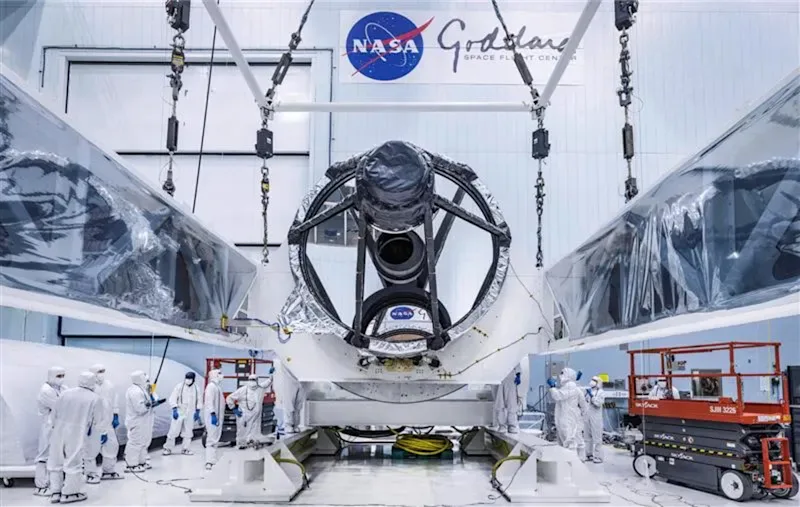
The Nancy Grace Roman will enable the world to have a deeper understanding of some of the universe’s darkest secrets, with data that will be free and accessible for scientists as well as the public.
Its first images will be available early next year.